 English
  Spanish
  French


Sustainability Budgets Face Reality Check

Sustainability budgets are under closer review in 2026. For U.S. companies, this does not mean sustainability has lost importance. It means leaders want clearer priorities, stronger data, and better proof that sustainability work supports business performance. Why Sustainability Budgets Are Changing The latest market signal is mixed. Many large companies still invest in sustainability. However, […]
The SEC Pulled Back. Now What?

SEC climate uncertainty has created a hard question for U.S. companies: should they slow down, or should they keep preparing? Some executives may see the latest federal shift as a reason to pause. Yet that choice can create new risk. Climate data still matters. Investors, customers, lenders, boards, and supply chain partners still ask for […]
How to Build a Sustainability Plan During Geopolitical Turbulence
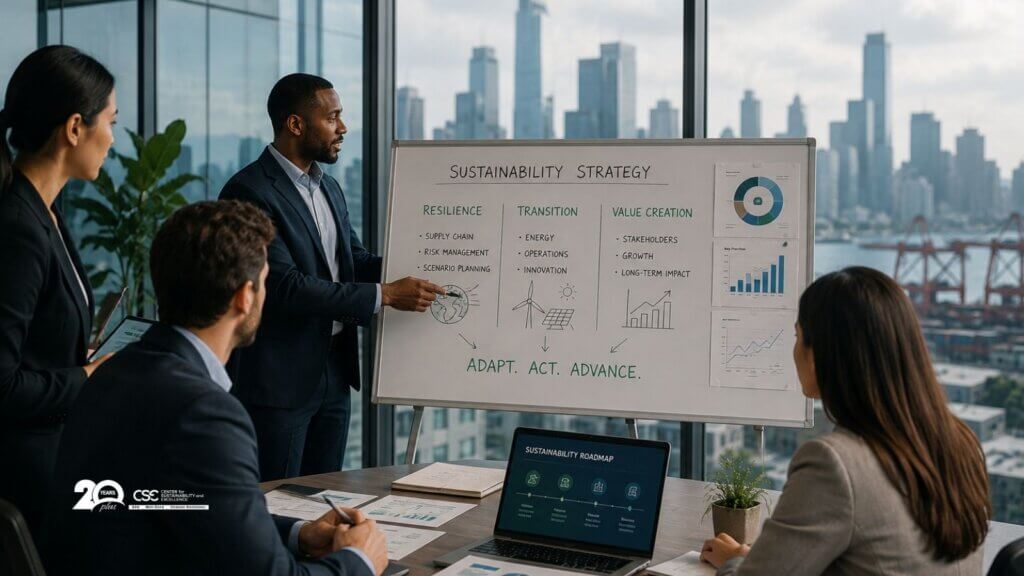
Why Sustainability Planning Matters More During Uncertainty Geopolitical instability is now a direct business risk for many U.S. companies. Trade restrictions, regional conflicts, shipping disruptions, energy market volatility, climate-related events, and changing sustainability regulations can affect costs, suppliers, operations, and customer expectations. For business leaders, the question is no longer whether sustainability matters. The real […]
Why Sustainability ESG Consultants Must Master Climate Resilience
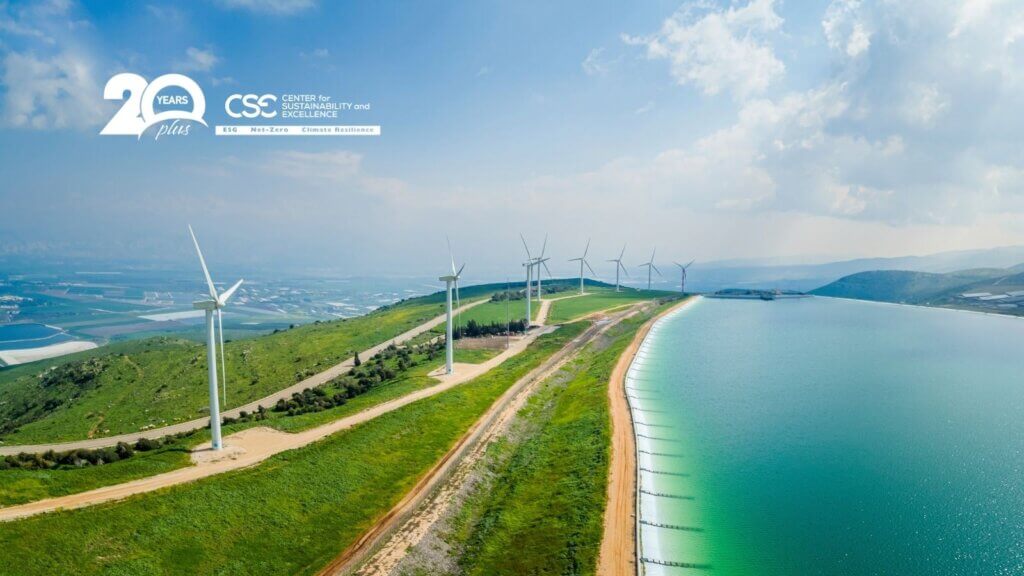
Climate change has become a business issue, not only an environmental concern. Companies now face heatwaves, floods, droughts, supply chain disruptions, rising insurance costs, infrastructure risks, and growing investor pressure. As a result, sustainability consultants must move beyond traditional ESG reporting and help organizations prepare for climate impacts that directly affect business performance. Organizations increasingly […]
California Could Break U.S. Business Reporting

California is no longer treating climate disclosure as optional. Through SB 253 reporting, the state is forcing major corporations to publicly disclose greenhouse gas emissions across operations and supply chains. For many companies, this could become one of the biggest operational challenges of the decade. The problem is simple. Most organizations are still not ready. […]
Is New York Coming for Your Carbon Data?

New York emissions data business risk is becoming a real concern for companies that operate, sell, transport, power, or invest in the state. For years, many organizations treated greenhouse gas emissions data as a sustainability metric. Now, New York is turning that data into a business signal. The reason is clear. New York’s Climate Leadership […]
U.S. Climate Disclosure Is Becoming a Business Survival Skill

CSE · U.S. Climate Disclosure Is Becoming a Business Survival Skill U.S. climate disclosure is no longer a future concern for corporate legal teams. It is becoming a business survival skill for companies that want access to capital, contracts, insurance, and credible market positioning. The pressure is rising because climate disclosure now affects more than […]
How AI Is Transforming Climate Reporting Jobs in the USA

AI Is Reshaping U.S. Climate Reporting Careers AI climate reporting jobs USA are evolving rapidly as companies rethink how they manage carbon data, climate risk, and sustainability reporting. Just a few years ago, many sustainability professionals focused mainly on annual reports, spreadsheets, and disclosure coordination. Today, companies increasingly use artificial intelligence to automate emissions tracking, […]
The Disclosure Gap: Why Some U.S. Companies Will Win and Others Won’t

Sustainability disclosure is no longer optional for U.S. firms, it is quickly becoming a core business requirement. Pressure is rising from regulators, institutional investors, and global markets that demand consistent, decision-useful ESG data. In the U.S., the SEC’s proposed climate disclosure rules signal a shift toward more standardized and comparable reporting. Globally, frameworks like the […]
How to Transition from GRI to IFRS S1 & S2

Sustainability reporting is entering a new phase. While many organizations have built strong foundations using the Global Reporting Initiative (GRI), the introduction of IFRS S1 and IFRS S2 by the International Sustainability Standards Board is reshaping expectations. The shift reflects a fundamental change. GRI focuses on how companies impact the environment and society, whereas IFRS […]