 English
  Spanish
  French


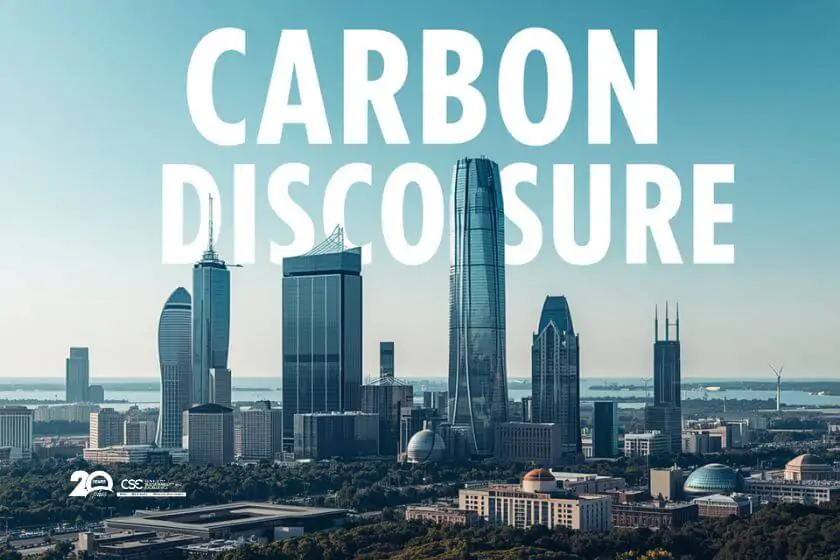


California’s Senate Bill 253 (SB 253) is reshaping the landscape for businesses, requiring large companies to disclose their greenhouse gas (GHG) emissions. The legislation mandates reporting for Scope 1 and 2 emissions initially, with Scope 3 emissions following in later years. As the deadlines for compliance draw near, businesses must ensure they gather accurate, verifiable emissions data, particularly for their operations and supply chains.
This new mandate means that carbon disclosure is now a critical requirement for companies, making carbon accounting an essential skill for sustainability professionals. As companies work to comply with SB 253, the demand for qualified carbon reporting experts is set to rise dramatically.
Benefits of Carbon Disclosure Under SB 253
- Legal Compliance: Meeting the SB 253 requirements helps businesses avoid penalties while adhering to California’s stringent emissions disclosure laws.
- Building Trust: Transparent carbon reporting enhances a company’s credibility, building trust with investors, consumers, and other stakeholders.
- Competitive Advantage: Early adoption of carbon reporting sets businesses apart, positioning them as leaders in sustainability and environmental responsibility.
- Attracting ESG Investments: Companies that excel in carbon disclosure are more likely to attract investors focused on Environmental, Social, and Governance (ESG) criteria, boosting their growth potential.
Practical Steps for Carbon Disclosure Compliance
Free vs. Paid Solutions for Carbon Reporting
When implementing carbon reporting, businesses must decide between free and paid solutions. Here’s an overview of the available options:
- Free Tools: While free tools, such as government resources and online calculators, can help businesses start reporting Scope 1 and 2 emissions, they often lack the depth and accuracy required for comprehensive compliance, particularly when addressing Scope 3 emissions. These tools are useful for initial steps but may not fully meet the rigorous standards set by SB 253.
- Paid Solutions: Paid platforms offer more sophisticated tools and expert support to help businesses meet the full requirements of SB 253. For example, software like SIERA (Sustainability Information and Environmental Reporting Analysis) provides in-depth analysis and ensures compliance with the regulations. Additionally, companies can explore services such as Envizi, Greenstone, or Carbon Trust for more tailored solutions. These tools enable accurate tracking and reporting of emissions across operations and supply chains, supporting businesses in meeting their carbon disclosure obligations.
Common Mistakes to Avoid
- Delaying Scope 3 Reporting: Many companies delay reporting Scope 3 emissions, but gathering data early on makes later reporting smoother and less burdensome.
- Using Inaccurate or Incomplete Data: Poor data quality can lead to penalties and harm a company’s reputation. Proper training in carbon accounting ensures data is accurate and reliable.
- Neglecting Ongoing Training: Carbon accounting is complex, and regulations around emissions disclosure are constantly evolving. It’s essential for businesses to invest in continuous training to stay updated with changes in the regulatory landscape. This ongoing education will ensure that your team is always prepared to meet new reporting standards.
- Overlooking Supply Chain Emissions: Scope 3 emissions—those from the supply chain—are often overlooked. However, they typically make up the majority of a company’s carbon footprint. Businesses should prioritize engaging with their supply chain to collect emissions data and ensure transparency.
Real-World Applications of SB 253
Many large corporations are already taking steps to comply with California’s emissions disclosure laws. For instance, a global tech company partnered with carbon accounting experts to track and report both direct emissions (Scope 1) and those from their supply chain (Scope 3). This proactive approach not only ensured compliance with SB 253 but also reinforced the company’s commitment to sustainability.
Another case study involves a manufacturing company that worked with software platforms like SIERA and Greenstone to track emissions across its operations. By adopting early, they were able to streamline their carbon accounting process and gain a competitive edge in attracting ESG investors.
The California Air Resources Board (CARB) has also released comprehensive guidelines to assist businesses in navigating the complex requirements of emissions reporting. These resources provide crucial support for companies working to align their practices with SB 253.
FAQs
-
What is SB 253 and why is it important?
SB 253 is a California law requiring large companies to disclose their greenhouse gas emissions. The law ensures that businesses take accountability for their environmental impact, aligning with broader global climate goals.
-
How long does it take to learn carbon accounting?
Basic carbon accounting concepts can be learned in a few weeks, but mastering the intricacies of compliance with regulations like SB 253 typically requires a few months of dedicated training. Professionals looking to advance their skills can benefit from specialized certification programs that focus on the nuances of emissions reporting.
-
Is carbon accounting a valuable skill for career growth?
Yes. As regulations around emissions disclosure tighten, companies are seeking professionals skilled in carbon accounting. This expertise is a highly valuable asset for anyone looking to grow in the sustainability field, making it an excellent career investment.
-
How much time and money does carbon accounting training require?
The time and financial investment required for carbon accounting training vary depending on the program. Many certification programs, such as the USA Certified Sustainability Practitioner Program, offer flexible learning paths that can fit into professionals’ schedules. Expect to spend a few months on focused learning, with costs ranging from affordable courses to more comprehensive, advanced certifications.
Start Learning Today!
To stay ahead of SB 253 and elevate your career in sustainability, gaining expertise in carbon accounting and reporting is crucial. Enroll in the USA Certified Sustainability Practitioner Program – Advanced Edition 2026 Cohort 2, and gain the essential skills to navigate mandatory carbon disclosure requirements with confidence.