
 English
  Spanish
  French


Sustainability Budgets Face Reality Check

Sustainability budgets are under closer review in 2026. For U.S. companies, this does not mean sustainability has lost importance. It means leaders want clearer priorities, stronger data, and better proof that sustainability work supports business performance. Why Sustainability Budgets Are Changing The latest market signal is mixed. Many large companies still invest in sustainability. However, […]
California Just Made Carbon Reporting Unavoidable

California carbon reporting has moved from a future concern to a business deadline. For large companies that operate in California, carbon data now needs structure, ownership, and evidence. It cannot sit in scattered spreadsheets or one department’s inbox. This shift matters because emissions reporting touches finance, operations, procurement, legal, risk, and leadership. It also affects […]
Why ESG Certification Matters for Sustainability Advisors

Sustainability consulting has entered a more demanding stage. Companies no longer need general ESG advice only. They need consultants who can connect sustainability with compliance, climate risk, business resilience, financial value, supply chain performance, investor expectations, and credible communication. That is why ESG certification matters in 2026. Practical experience remains essential, but clients increasingly expect […]
Sustainability Training ROI: Budget or Advantage?

Sustainability training ROI has become a real business question for U.S. companies. Training budgets face pressure. Managers want proof. HR teams need a clear reason to approve participation. Yet sustainability now affects risk, reporting, supply chains, client expectations, reputation, and long-term planning. So, the question is not only, “Can we afford this training?” A better […]
Circularity Assessment for Retailers: From Goals to Product Proof

Why Sustainability Claims Need Stronger Proof Private-label products are no longer just lower-cost alternatives. For many retailers, they are strategic brands that influence margin, customer loyalty, product innovation, and sustainability positioning. This is where a circularity assessment can change the game. Customers now compare more than price. They look at product quality, packaging, durability, recycled […]
Circular Economy in Action: Strategy, ESG Value & Business Benefits
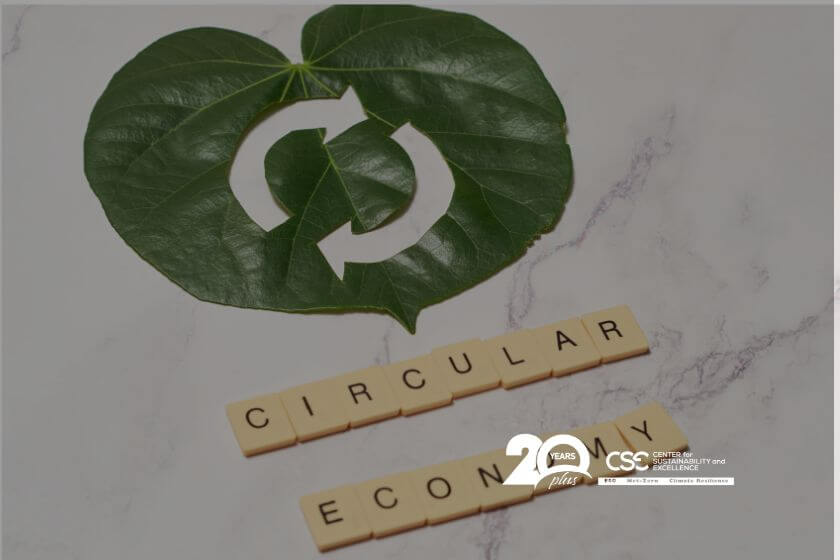
Why Circular Economy in Action Matters Now Circular economy in action is becoming a core business strategy, not a side sustainability initiative. Companies face rising material costs, supply chain disruption, climate pressure, stricter product rules, and growing expectations from customers and investors. As a result, many organizations now need practical ways to reduce waste, keep […]
U.S. Climate Rules Are Getting Messier

U.S. climate rules are becoming harder to track, explain, and manage. For sustainability professionals, this creates a serious business challenge. A company may face one set of expectations in New York, another in California, and different pressure from customers, investors, lenders, or suppliers. This is no longer just a policy issue. It is a management […]
Canada Sustainability Training: What CSE’s First 2026 Cohort Reveals About ESG Skills Demand

The first Canada cohort of the Certified Sustainability ESG Practitioner Program, Advanced Edition 2026 was completed in April, bringing together senior professionals from business, academia, consulting, environmental services, communications, and industrial sectors. The group included participants from TELUS, Scotts Miracle-Gro, Ya YA Foods Corp., The Beer Store, McGill University, the Commission for Environmental Cooperation, Toronto […]
New Laws Are Exposing Weak Sustainability Teams

Weak sustainability teams are being exposed by new U.S. laws, climate reporting pressure, and rising expectations from customers, investors, and regulators. For many companies, the challenge is no longer whether sustainability matters. The real challenge is whether their teams have the skills to manage reporting, carbon data, circular economy, supply chains, and business risk. For […]
How U.S. Climate Laws Create Business Risk

Why U.S. Climate Laws Matter Now U.S. climate laws are no longer a side issue for legal or sustainability teams. They now affect finance, operations, procurement, supply chains, investor confidence, and board-level governance. For many companies, the main question is not whether sustainability expectations will continue to grow. The more urgent question is whether the […]