
 English
  Spanish
  French


Who Owns Your Carbon Data Now?

Carbon data ownership used to sit inside sustainability reports. A small team collected energy bills, travel data, supplier estimates, and emissions factors. Then the numbers appeared in an annual report. That model is breaking. Today, carbon data affects finance, procurement, risk, legal, operations, and executive decisions. It can influence customer contracts, investor confidence, supplier relationships, […]
The SEC Pulled Back. Now What?

SEC climate uncertainty has created a hard question for U.S. companies: should they slow down, or should they keep preparing? Some executives may see the latest federal shift as a reason to pause. Yet that choice can create new risk. Climate data still matters. Investors, customers, lenders, boards, and supply chain partners still ask for […]
California SB 253: Are You Ready for August 2026?

California SB 253 is moving climate disclosure from a future concern to a near-term business requirement. For large companies doing business in California, August 2026 should be treated as a critical readiness milestone for greenhouse gas emissions reporting. The exact reporting timeline and implementation details should always be confirmed through official sources, including the California […]
AI Sustainability Compliance for USA Leaders

AI sustainability compliance is changing how U.S. companies manage reporting, climate data, governance, and risk. Many teams now use AI to review documents, organize supplier data, compare disclosures, and prepare first drafts. However, AI cannot replace the professional judgment that credible compliance requires. AI sustainability compliance also raises a practical question for sustainability leaders. Will […]
While the SEC Retreats, States Are Pushing Climate Disclosure Forward
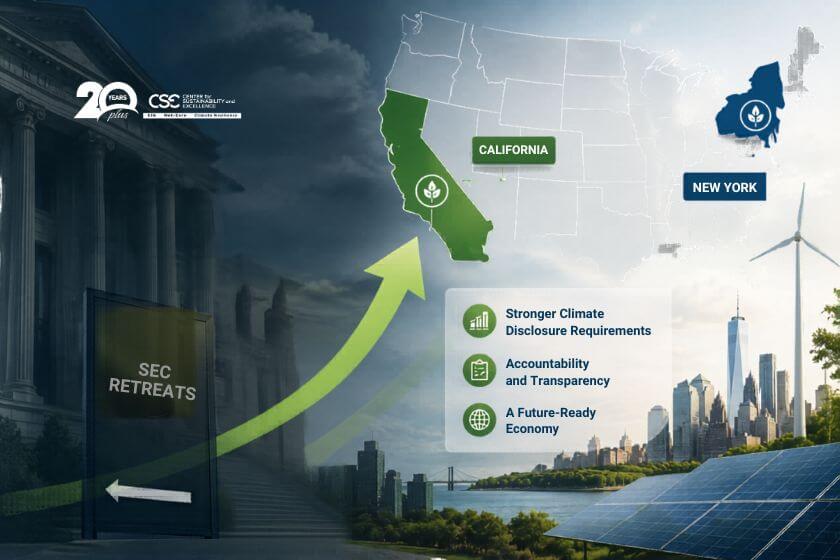
Why State Climate Disclosure Matters Now State climate disclosure is becoming one of the most important compliance issues for U.S. companies. For several years, businesses watched the U.S. Securities and Exchange Commission’s climate disclosure rule as the main federal development. Now, the federal picture is uncertain. The SEC has moved away from the climate-related disclosure […]
Sustainability Consultants’ Key Worries in 2026 and How to Help Clients Respond

By mid-2026, sustainability consultants are operating in a more technical and high-stakes role. Clients do not need generic ESG statements. They need practical support with climate disclosure, Scope 3 emissions, sustainability data, supply-chain transparency, greenwashing risk, investor expectations, and assurance-ready reporting. The pressure is coming from regulators, investors, customers, lenders, and large companies that expect […]
State Clean Energy Policy: Why U.S. Teams Need Practical Skills Now

Clean Energy Rules Are Outpacing Companies State clean energy policy is becoming one of the biggest pressure points for U.S. companies. For years, many businesses treated sustainability as a national or global issue. Today, that approach is no longer enough. Companies now need to understand state rules, local energy targets, utility requirements, procurement options, emissions […]
ESG Consultants Need New Skills
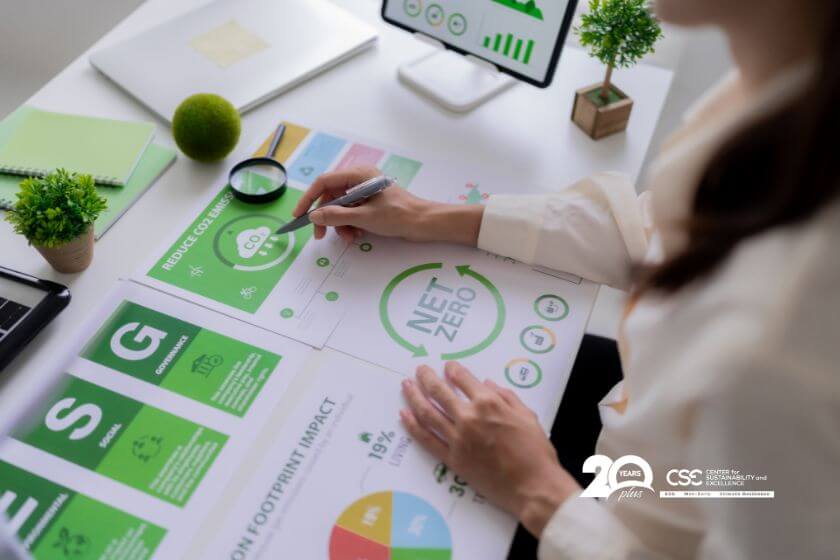
ESG consultants face a new market reality. Companies no longer ask only what the regulation requires. They also ask what data they need, who owns it, how to verify it and how sustainability reporting can support business decisions. This shift matters because ESG reporting now affects risk management, supply chain resilience, investor confidence, access to […]
Is Weak Sustainability Data Your Next Risk?

Why sustainability data risk matters now Sustainability data risk is becoming a board-level business issue for U.S. companies. It affects finance, operations, procurement, suppliers, technology decisions, and public trust. The challenge is no longer only whether a company publishes a sustainability report. The real question is whether the company can prove the numbers, methods, assumptions, […]
Are U.S. Companies Ignoring Their Biggest Reporting Risk?

U.S. reporting risk is becoming harder to manage. For many companies, the challenge is not only one rule, one deadline, or one disclosure framework. It is the growing pressure to collect reliable sustainability data and respond to different expectations from states, investors, customers, lenders, and supply chain partners. Recent federal developments have added uncertainty to […]