 English
  Spanish
  French


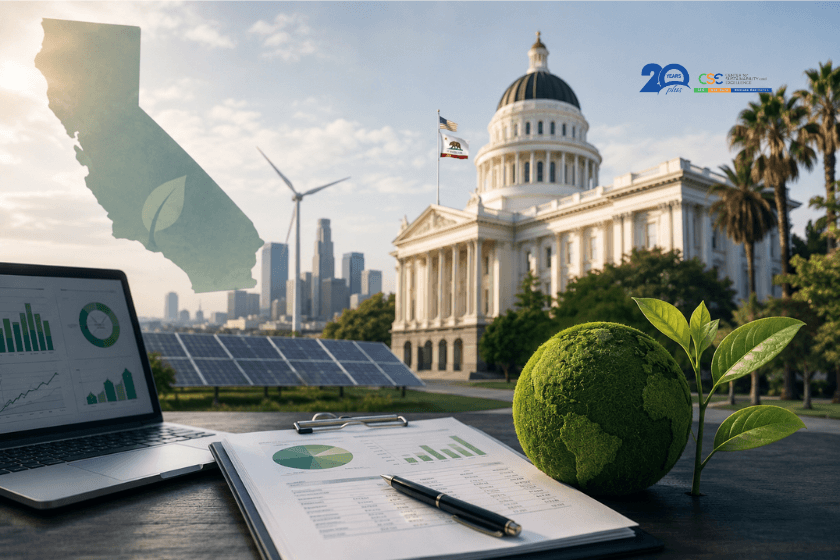


California is no longer treating climate disclosure as optional. Through SB 253 reporting, the state is forcing major corporations to publicly disclose greenhouse gas emissions across operations and supply chains. For many companies, this could become one of the biggest operational challenges of the decade.
The problem is simple. Most organizations are still not ready.
Many companies cannot accurately measure emissions across suppliers, logistics, procurement, or product lifecycles. Others still rely on fragmented spreadsheets, outdated estimates, or disconnected reporting systems. Yet the pressure is rising quickly.
According to the California Air Resources Board (CARB), companies covered by SB 253 must begin reporting Scope 1 and Scope 2 emissions in 2026, while Scope 3 reporting follows in 2027.
California may have started this shift. However, its impact is rapidly spreading across the entire U.S. business landscape.
California SB 253 Is Changing the Rules
SB 253 applies to companies doing business in California with more than $1 billion in annual revenue.
The law requires organizations to:
- Measure greenhouse gas emissions
- Disclose annual emissions data publicly
- Gradually obtain independent assurance
- Expand reporting from direct emissions to full value chain emissions
According to the official California Corporate Greenhouse Gas Reporting Program, the regulation aims to improve transparency and standardize climate disclosure requirements.
Yet many business leaders still underestimate the scale of the disruption.
This is not simply a compliance issue. It is a data, strategy, procurement, operations, and supply chain issue all at once.
Even companies outside California will likely feel the impact because large corporations now need emissions data from suppliers across the country.
In practice, this means California is pushing sustainability reporting into every corner of the American economy.
Scope 3 Could Become a Corporate Nightmare
Scope 3 emissions represent the largest reporting challenge under SB 253.
These emissions include:
- Supplier activities
- Transportation
- Product distribution
- Employee travel
- Purchased goods
- Investments
- Product end-of-life impacts
For many industries, Scope 3 accounts for more than 70% of total emissions.
Companies across the United States are struggling to gather reliable supplier emissions data. Many organizations lack consistent methodologies, internal expertise, or integrated reporting systems.
At the same time, corporations are already increasing supplier disclosure requests ahead of upcoming California deadlines.
This creates serious pressure throughout supply chains; manufacturers now need emissions data from vendors, retailers need information from distributors, and financial institutions need climate-related transparency from portfolio companies.
The challenge becomes even more difficult when suppliers operate internationally or lack sustainability expertise.
Sustainability Reporting Is No Longer Just Reporting
For years, sustainability reporting often sat inside communications or public relations teams. That era is ending quickly.
Today, sustainability performance influences:
- Investor decisions
- Insurance access
- Procurement eligibility
- Enterprise risk management
- Customer trust
- Competitive positioning
According to ESG News, companies increasingly view sustainability data as a core business intelligence function rather than a branding exercise.
This shift changes what companies expect from sustainability professionals.
Organizations now need people who understand:
- Carbon accounting
- Climate risk
- Materiality
- Supply chain engagement
- Data assurance
- Reporting frameworks
- Business strategy integration
The market no longer rewards theory alone. It rewards execution.
Why the U.S. Skills Gap Is Growing
California SB 253 is exposing a major weakness inside many organizations: the lack of trained sustainability professionals.
Many teams still struggle with:
- Scope 3 calculations
- Emissions verification
- Supplier engagement
- Data quality management
- Sustainability governance
- Reporting assurance
- Transition planning
As regulations expand, this skills gap may become a major business risk.
Companies need professionals who can translate climate disclosure requirements into operational systems and strategic decision-making.
That is exactly why specialized sustainability training is becoming increasingly important across the U.S. market.
How the USA Training Directly Connects to SB 253
The Certified Sustainability Practitioner Program – Advanced Edition was designed around the real-world challenges organizations now face.
The program agenda includes:
- Scope 1, 2, and 3 emissions management
- Sustainability reporting frameworks
- Carbon accounting strategy
- Materiality assessment
- Climate risk analysis
- Supply chain sustainability
- Stakeholder engagement
- Sustainability strategy integration
- Reporting assurance practices
- Case studies from global companies
You can review the official USA Advanced Edition Training Agenda.
The program focuses heavily on practical implementation. Participants explore how organizations actually build sustainability systems, improve reporting quality, and connect disclosure with business value.
This matters because companies no longer want sustainability teams that only produce reports. They need professionals who can influence operations, finance, procurement, and strategy.
The U.S. Sustainability Profession Is Entering a New Phase
California SB 253 may become the regulation that permanently changes corporate sustainability reporting in the United States.
At the same time:
- Climate disclosure expectations continue to grow
- Investor scrutiny is increasing
- Supply chain transparency is becoming mandatory
- Carbon management skills are becoming career-critical
Professionals who understand these changes will likely have a major advantage in the coming years.
Meanwhile, organizations that delay capability-building may struggle with compliance costs, supplier pressure, and operational risk.
Final Thoughts
California SB 253 is not simply another state regulation. It represents a broader transformation in how companies measure business performance, manage climate risk, and communicate with stakeholders.
The companies that succeed will not just comply. They will build strong sustainability systems, reliable data processes, and cross-functional expertise.
That transformation starts with people.
For professionals looking to stay ahead of the rapidly changing U.S. sustainability landscape, the Certified Sustainability Practitioner Program – Advanced Edition offers practical, business-focused training built around the exact challenges companies now face.