

 English
  Spanish
  French


Strong Participation in the First USA Sustainability Training 2026

The first USA cohort of the Certified Sustainability Practitioner Program – Advanced Edition 2026 has been successfully completed, bringing together a diverse group of senior professionals from across industries and regions. From government leaders and sustainability managers to academics and supply chain executives, this cohort clearly demonstrated one thing: ESG and sustainability remain a strategic […]
Sustainable Finance and ESG Investing

Sustainable finance is transforming how capital markets operate. Investors increasingly evaluate companies not only based on financial performance but also on environmental, social, and governance factors. As a result, sustainable finance in Canada has become a critical driver of the country’s transition toward a low-carbon economy. Canada’s financial sector is actively involved in green bonds, […]
How to Align ESRS, IFRS, and GRI Reporting

Sustainability reporting has entered a new regulatory era. Companies must now disclose environmental, social, and governance performance with the same rigor as financial results. However, many organizations face a complex question. How can they report consistently across the main global frameworks? Three standards dominate ESG reporting today. The European Sustainability Reporting Standards (ESRS), the IFRS […]
Why Canadian Investors Trust ESG Integration

Introduction to ESG Integration in Canada Some commentators claim that ESG investing is fading. However, evidence from Canada suggests the opposite. A recent Millani Responsible Investment Survey shows that Canadian institutional investors remain firmly committed to ESG integration. The study found that 75 percent of investors report a 100 percent commitment to ESG integration, while […]
How ESG Training Translates Into Career Growth

ESG roles have changed dramatically. A few years ago, sustainability teams focused mainly on policies and annual reports. Today, employers expect professionals who understand carbon platforms, Scope 3 data systems, circular economy tools, and audit-ready reporting frameworks. That shift explains why ESG training in Canada increasingly connects directly to career advancement. Career growth now depends […]
How Canada Aligns with EU and global ESG Frameworks
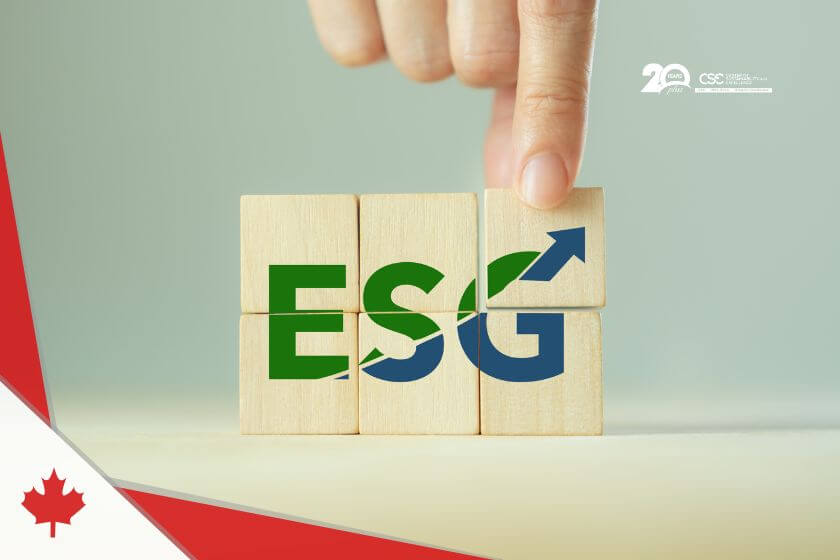
Global ESG regulation is moving in one clear direction: more structure, more comparability, and more pressure on companies to report consistently across borders. For multinational organizations, that shift makes ESG regulatory convergence more than a policy topic. It becomes a business issue that affects governance, reporting systems, investor communication, and compliance strategy. Canada sits in […]
EU ETS Maritime & FuelEU 2026: Managing Cost, Risk, and Compliance

EU ETS Maritime and FuelEU in 2026: Why This Year Matters As of early 2026, many Greek shipping organisations have moved beyond learning the rules and are now operating EU ETS Maritime and FuelEU at scale. This shift matters because 2026 is the first year where process discipline, data quality, and cross-functional coordination begin to […]
ESG and Shipping Finance: Access Capital in 2026
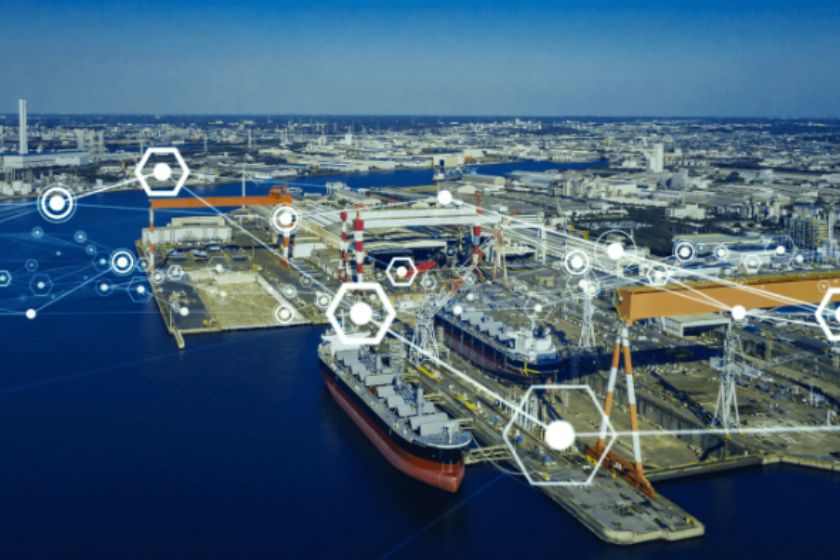
For decades, Greek shipping has relied on strong banking relationships, market timing, and asset quality. Today, another factor increasingly shapes access to capital: ESG performance and climate alignment. This shift is not driven by ideology. It is driven by lenders. According to the Poseidon Principles Association, more than 30 major shipping banks, representing over USD […]
Supply Chain Visibility and Carbon Disclosure Accelerate Through AI in the USA

Supply chain transparency has become one of the most pressing sustainability challenges for U.S. organizations. Indeed, pressure from investors, customers, and business partners is intensifying around Scope 3 emissions disclosure, forcing companies to confront the complexity of their value chains. For many organizations, Scope 3 emissions represent the largest share of total carbon impact, yet […]
Climate Risk and Resilience as Business Priorities in the USA

Climate risk is no longer treated as a distant environmental concern. Across the United States, physical climate risks such as extreme heat, flooding, wildfires, and storms are now directly affecting business continuity, asset performance, and supply chains. Additionally, companies are increasingly embedding climate risk into enterprise risk management frameworks as operational disruptions and insurance pressures […]