


 English
  Spanish
  French


Track Emissions Across Entire Value Chain: Scope 3

For most U.S. companies, emissions do not come from what they control. They come from everything else and this is the reality of Scope 3. Scope 3 emissions can represent over 70% of total emissions in sectors like retail, technology, and manufacturing. In some cases, they exceed 90%. In practice, this means one thing. If […]
California SB-253 Is Setting the Pace

Why SB-253 Matters Now California SB-253 introduces mandatory greenhouse gas emissions disclosure for large companies starting in 2026. Companies must report Scope 1 and Scope 2 emissions first, followed by Scope 3. This marks a structural shift. Until now, most U.S. companies approached sustainability reporting as voluntary or investor-driven. SB-253 turns it into a legal […]
Greenwashing Will Be Exposed. Are You Ready?

Greenwashing is no longer a branding issue. It is a business risk with financial, legal, and strategic consequences. Across the U.S., companies now face growing pressure to prove every sustainability claim. Regulators are tightening rules. Investors are demanding data. Meanwhile, consumers are questioning everything. This shift is already happening and it is accelerating. Why Greenwashing […]
CSE Executive Sustainability Programme Gains Momentum as ESG Goes Strategic

Strong demand across Europe and the UK reflects a shift from ESG compliance to strategic sustainability and long-term value creation. BRUSSELS, April 15, 2026 Leveraging more than two decades of experience, CSE continues to advance its commitment to shaping the next generation of sustainability leaders. The Center for Sustainability and Excellence (CSE) continues to lead at […]
Net Zero Commitments in U.S. Corporations

Net zero commitments in U.S. corporations have entered a new phase. Companies are no longer judged by their targets. They are judged by execution. Across industries, organizations have announced ambitious climate goals. Yet, many struggle to translate these commitments into measurable progress. Companies are advancing on emissions reductions, but only a small percentage are fully […]
How the EU Green Deal Is Transforming ESG Challenges in the Energy Sector
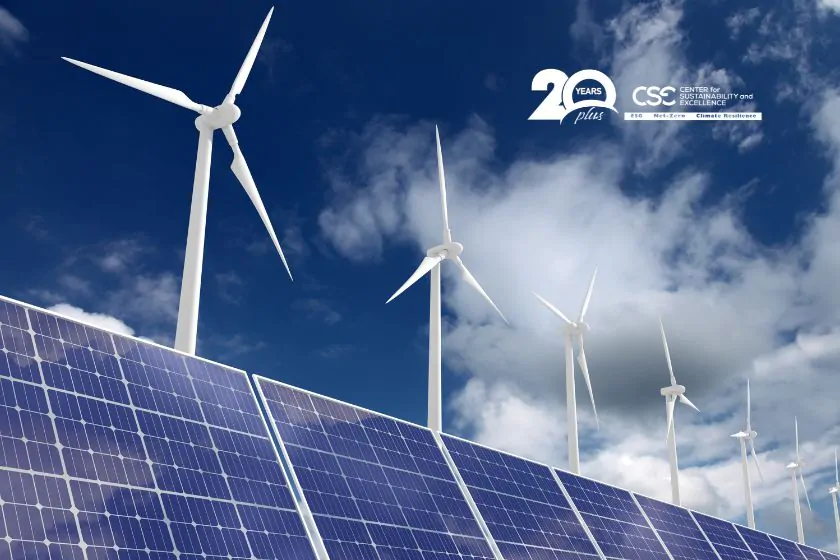
The EU Green Deal is reshaping the energy sector at an unprecedented pace. Energy companies are no longer navigating gradual policy adjustments. They are operating within a structural transformation that affects investment decisions, reporting frameworks, governance models, and long term competitiveness. The stakes are high. According to the European Commission, the energy sector generates roughly […]
Net Zero Is Reshaping the UK Energy Sector: The ESG Challenges No One Can Ignore

The UK energy sector sits at the center of the country’s legally binding Net Zero ambition and the practical reality of keeping energy secure and affordable. That combination creates a fast-changing ESG environment where strategy, reporting, governance, and stakeholder trust all matter at once. The UK government’s Net Zero Strategy sets out the policy direction […]
Why European Energy Coordination Is a Strategic ESG Imperative
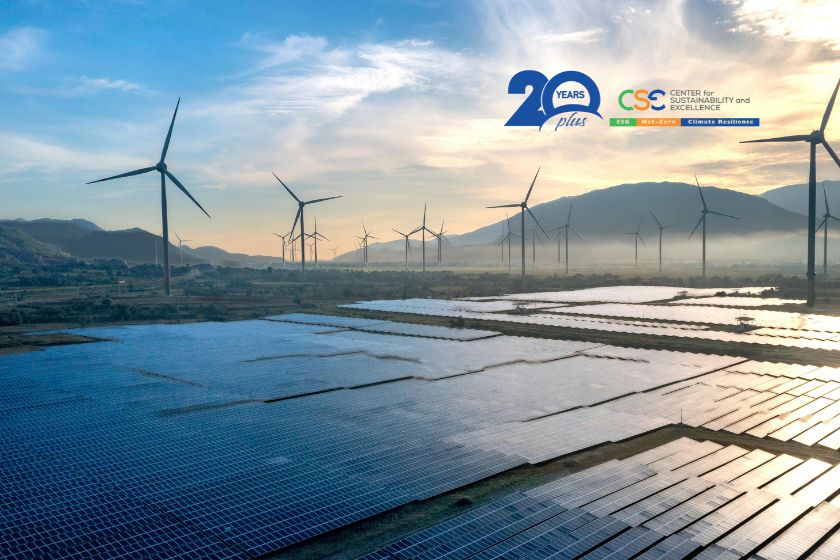
European energy coordination refers to the alignment of national energy policies, infrastructure planning, grid expansion and climate targets across EU Member States. At first glance, this may sound like a technical policy matter. However, for ESG professionals, European energy coordination is now a financial and governance priority. Under the CSRD and ESRS E1, companies must […]
SB-253 Applicability in Complex Scenarios

California’s SB-253, the Climate Corporate Data Accountability Act, establishes mandatory greenhouse gas disclosure for large companies doing business in California with more than $1 billion in annual revenue. The full statutory text of SB-253 is available through the California Legislative Information portal. The law grants implementation authority to the California Air Resources Board (CARB), which […]
Is Your ESG Strategy 4°C-Ready?

ESG strategy in a 4°C Europe is no longer a theoretical discussion. Senior EU scientific advisers are urging policymakers to prepare for a continent that could warm by four degrees Celsius by the end of the century. Current projections suggest global warming may reach between 2.8°C and 3.3°C. For Europe, this translates into approximately 4°C […]