


 English
  Spanish
  French


How AI Is Transforming Sustainability Strategy

Introduction to AI in Sustainability Strategy AI in sustainability strategy is moving from pilot phase to core infrastructure for US corporations. Companies now process vast volumes of emissions data, supplier disclosures, climate scenarios, and regulatory filings. Manual systems struggle to meet expectations under frameworks such as ISSB, TCFD, the GHG Protocol, and emerging SEC climate […]
How EU Sustainability Rules Impact US Companies

Introduction to EU Sustainability Regulations EU sustainability regulations impact US companies more directly in 2026 than at any previous time. What once seemed like regional European compliance now shapes global supply chains, procurement eligibility, and investor confidence. In November 2025, the European Parliament backed simplification changes to sustainability reporting and due diligence requirements while maintaining […]
Closing the Sustainability Workforce Gap in the USA
Introduction to the Sustainability Workforce Gap The sustainability workforce gap in the USA is widening at a critical moment for business. Companies face increasing regulatory scrutiny, investor pressure, and supply chain transparency demands. Yet they struggle to recruit professionals with the technical and strategic expertise required. Sustainability is no longer a communications function. It is […]
What Is Financial Services UK SDR Compliance and Why It Matters in 2026

Financial Services UK SDR compliance refers to how UK regulated financial institutions meet the Financial Conduct Authority Sustainability Disclosure Requirements and investment labelling regime introduced under FCA Policy Statement PS23/16. The framework is supported by the FCA ESG Sourcebook ESG 3, ESG 4 and ESG 5, the anti greenwashing rule effective 31 May 2024, and […]
How the EU Green Deal Is Transforming ESG Challenges in the Energy Sector
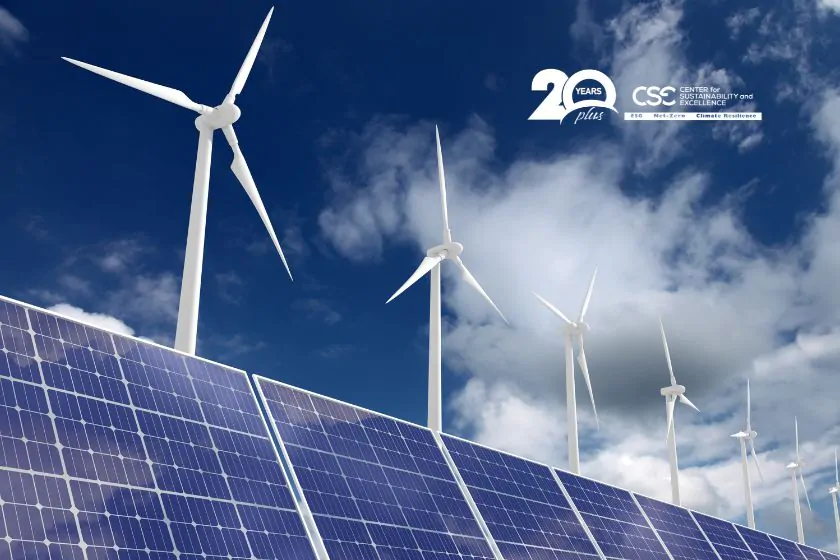
The EU Green Deal is reshaping the energy sector at an unprecedented pace. Energy companies are no longer navigating gradual policy adjustments. They are operating within a structural transformation that affects investment decisions, reporting frameworks, governance models, and long term competitiveness. The stakes are high. According to the European Commission, the energy sector generates roughly […]
EU 2040 Climate Target: What It Means for ESG Careers

The 90% Emissions Reduction Goal: Why It Matters In November 2025, EU climate ministers struck a historic deal to reduce greenhouse gas emissions by 90% by 2040. While compromises on carbon credits and flexibility were made, the message is clear: sustainability expertise is now essential for navigating policy complexity and driving corporate transformation. This landmark […]
Five years countdown for renewables to overtake coal.
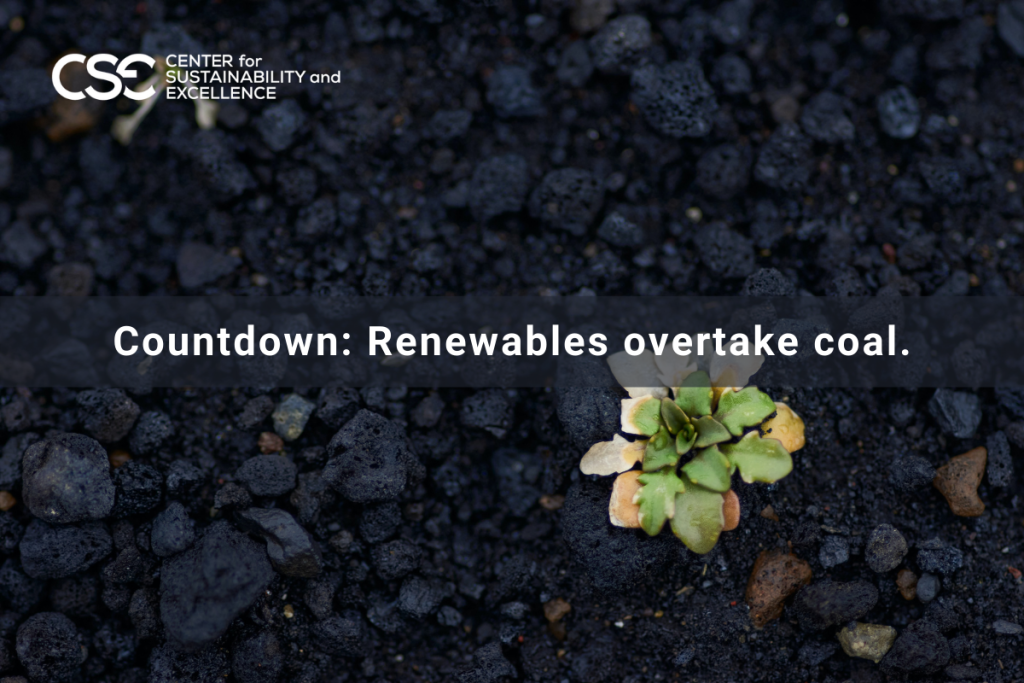
A number of countries have already pledged to reach net‐zero emissions, however the gap between theory and action still exists. This gap needs to close if countries want the chance of reaching net-zero by 2050 and meeting the Paris Agreement long-term temperature goal. The energy sector is the major source of global emissions, holding the […]
Three Reasons TCFD & SASB reporting on Climate Scenarios is Important

The Task Force on Climate-related Financial Disclosures (TCFD) provides market-driven recommendations for voluntary and consistent climate-related financial risk disclosures in mainstream filings. The Sustainability Accounting Standards Board (SASB) provides industry specific standards help investors and other market participants assess their portfolios’ exposure to sustainability risks and opportunities. Climate risk is often material, and […]