
 English
  Spanish
  French


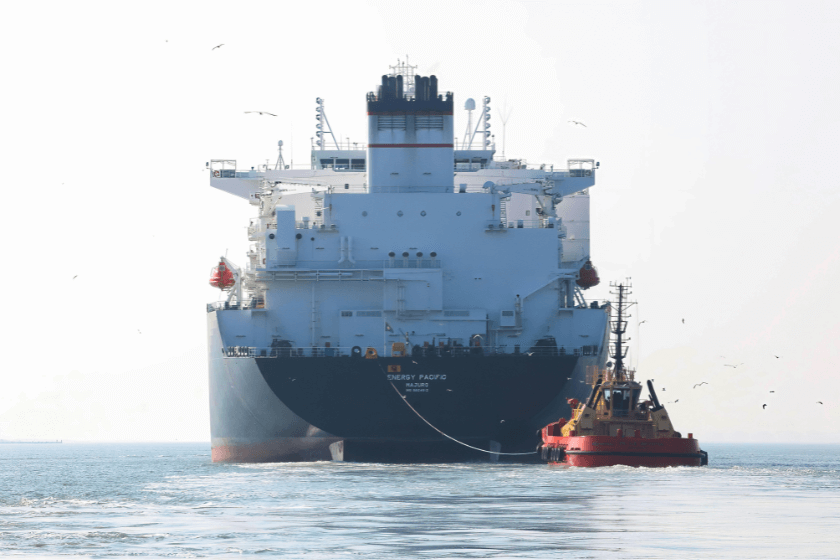


ESG Strategy for Shipping Companies: Frameworks, Regulations, and Best Practices
Introduction to ESG Strategy in Shipping
Environmental, Social, and Governance (ESG) practices are rapidly transforming the global maritime industry. What started as voluntary sustainability initiatives has evolved into a strategic requirement driven by regulators, investors, and cargo owners.
International shipping is responsible for approximately 2–3% of global greenhouse gas emissions, according to the International Maritime Organization (IMO). As a result, the industry faces increasing pressure to reduce emissions and improve operational transparency.
Key regulatory and financial drivers include:
- IMO decarbonization targets, aiming for net-zero emissions around 2050
- Energy Efficiency Existing Ship Index (EEXI) and Carbon Intensity Indicator (CII) regulations
- The EU Emissions Trading System (EU ETS) expansion to maritime transport
- Sustainability requirements from lenders through the Poseidon Principles
Because of these developments, ESG is no longer viewed as a public relations exercise. Instead, it is becoming a core business strategy influencing investment decisions, vessel operations, and corporate governance.
Shipping companies that implement structured ESG programs often gain better access to financing, improved operational efficiency, and stronger relationships with charterers and investors.
Benefits of ESG Strategy for Shipping Companies
A well-designed ESG strategy can create measurable operational and financial advantages for maritime organizations.
Better Access to Financing
Maritime lenders increasingly evaluate environmental performance when financing vessels or fleet expansion. Major banks participating in the Poseidon Principles assess whether ship portfolios align with IMO climate targets.
Companies demonstrating strong ESG performance may benefit from more favorable lending conditions and improved access to capital.
Higher Credibility With Charterers
Large cargo owners and commodity traders are integrating sustainability into their supply chains. Charterers increasingly prefer shipping partners that can report emissions data and demonstrate environmental responsibility.
Improved Operational Efficiency
Monitoring fuel consumption, voyage efficiency, and emissions often reveals opportunities to optimize routing, reduce fuel costs, and improve fleet performance.
Better Risk Management
ESG frameworks help identify regulatory, environmental, and operational risks before they lead to financial or reputational damage.
Stronger Reputation in Global Markets
Transparent reporting and responsible governance practices build trust with investors, regulators, cargo owners, and maritime stakeholders.
Practical Steps to Build an ESG Strategy
Developing a sustainability strategy requires a structured and data-driven approach.
Step 1: Identify Key Stakeholders
Shipping companies should engage with:
- Charterers
- Investors and banks
- Regulators and classification societies
- Crew members and maritime unions
- Port authorities and local communities
Stakeholder engagement helps identify expectations around environmental performance, safety standards, and governance transparency.
Step 2: Conduct a Materiality Assessment
A materiality assessment identifies the ESG issues most relevant to the business.
For shipping companies, common priorities include:
- Greenhouse gas emissions and decarbonization
- Fuel efficiency and alternative fuels
- Crew welfare and safety
- Maritime pollution prevention
- Ethical governance and compliance
Organizations such as GRI (Global Reporting Initiative) recommend materiality assessments to ensure ESG reporting focuses on the most significant risks and impacts.
Step 3: Set Measurable Sustainability Targets
Companies should establish clear, measurable goals aligned with international frameworks.
Examples include:
- Reducing fleet carbon intensity in line with IMO CII targets
- Improving safety metrics such as lost time injury frequency
- Increasing transparency in supply chains
- Reducing environmental incidents and pollution risks
These targets allow companies to track progress and demonstrate accountability.
Step 4: Align With International Reporting Standards
Many shipping companies structure ESG reporting using recognized global frameworks, including:
- GRI (Global Reporting Initiative)
- SASB (Sustainability Accounting Standards Board)
- Task Force on Climate-related Financial Disclosures (TCFD)
These frameworks improve comparability and help investors evaluate sustainability performance.
Step 5: Integrate ESG Into Corporate Decision Making
For ESG to be effective, sustainability considerations must be integrated into core business decisions, including:
- Fleet investment planning
- Vessel retrofitting or alternative fuel adoption
- Operational efficiency strategies
- Risk management and compliance systems
Companies that embed ESG into governance structures often achieve more consistent and measurable progress.
ESG Tools for Shipping Companies Free Resources
Several organizations provide open guidance and resources:
- IMO guidelines on emissions monitoring
- Sustainability reporting guidance from GRI
- Industry publications from DNV and Lloyd’s Register
These resources can help companies begin building their ESG reporting framework.
Paid ESG Platforms
Specialized ESG software platforms provide advanced capabilities such as:
- Automated sustainability reporting
- Emissions monitoring and carbon accounting
- Benchmarking against industry peers
- Integration with fleet management systems
The right platform depends on company size, fleet complexity, and reporting obligations.
Real-World Applications in Maritime Companies
Leading shipping companies increasingly publish annual sustainability or ESG reports.
For example:
- Maersk reports detailed emissions data and invests heavily in green methanol vessels.
- NYK Line publishes ESG metrics including crew safety, emissions reduction, and governance practices.
- Hapag-Lloyd integrates ESG metrics into corporate strategy and investor reporting.
These reports typically include:
- Fleet emissions and energy efficiency metrics
- Safety and crew welfare indicators
- Diversity and workforce statistics
- Governance structures and compliance systems
ESG ratings agencies such as MSCI, Sustainalytics, and CDP evaluate these disclosures. Ratings can influence investor confidence and financing conditions.
This trend demonstrates that sustainability is no longer solely an environmental issue. It has become a strategic business priority shaping the future competitiveness of shipping companies.
FAQs
What is ESG strategy in simple terms?
An ESG strategy is a structured plan that helps companies manage environmental impact, social responsibility, and governance practices while improving transparency and long-term business performance.
How long does ESG implementation take in shipping companies?
Initial ESG reporting systems can take 3–12 months to implement depending on fleet size, operational complexity, and available data systems.
Many companies begin with emissions monitoring and regulatory compliance, then gradually expand reporting to broader sustainability indicators.
Why is ESG important for maritime financing?
Financial institutions increasingly require climate alignment disclosures. Initiatives such as the Poseidon Principles link ship financing portfolios to IMO decarbonisation targets, making ESG performance a factor in lending decisions.
Is ESG knowledge useful for maritime professionals?
Yes. Professionals with expertise in sustainability reporting, maritime regulations, and decarbonisation strategy are increasingly in demand across technical, compliance, and commercial roles.
Start Learning ESG for the Maritime Industry
Shipping professionals who want practical ESG knowledge can develop their skills through specialized sustainability training.
The Certified Sustainability Practitioner Program – Advanced Edition 2026 covers:
- ESG strategy development
- ESG ratings and investor expectations
- Sustainability reporting frameworks
- Maritime decarbonization planning
This program is designed specifically for maritime professionals working in shipping companies, ports, and maritime services.