 English
  Spanish
  French




Introduction to California SB-253 and Why It Matters
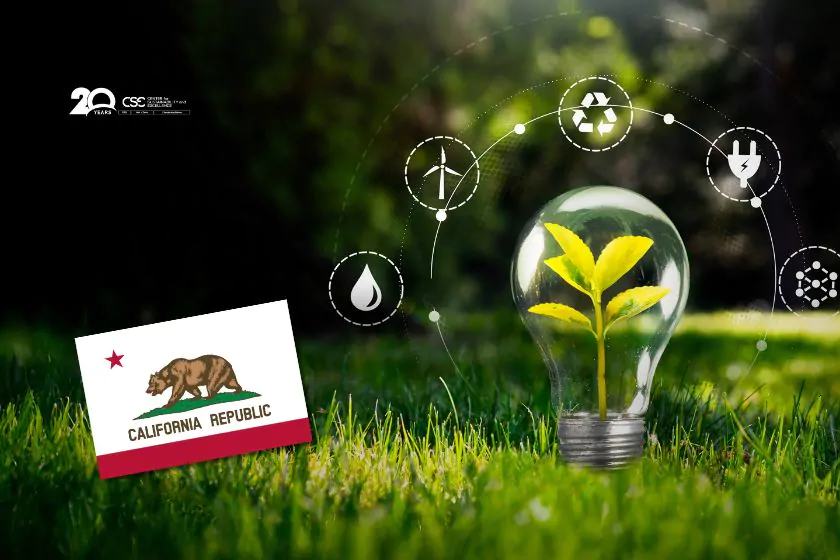
California changed the national conversation on climate transparency through SB-253, the Climate Corporate Data Accountability Act. This law introduces one of the strongest emissions disclosure frameworks in the United States. It affects thousands of companies that do business in California, even if they have no physical presence in the state.
Recent legal developments created uncertainty. ESG News reported that the rules set a new standard for corporate transparency. ESG Today confirmed that a U.S. appeals court issued a temporary pause while it reviews constitutional questions. Green Central Banking highlighted how these rules will shape climate risk management across the economy.
Even with the pause, companies should continue preparing. SB-253 remains a landmark regulation that aligns with global climate expectations. Investors still want disclosures. Supply chains continue asking for emissions data. Other markets, such as the European Union, move ahead with similar rules. This moment offers extra preparation time, not a reason to delay.
Although SB-261 also plays an important role, most companies feel the biggest impact from SB-253 due to its Scope 1, Scope 2, and Scope 3 requirements. This blog focuses on SB-253 and explains what companies should do now.
Benefits of Getting Ready for SB-253
Companies gain several advantages by preparing early.
1. Stronger investor confidence
Investors want accurate greenhouse gas disclosures. Early action builds credibility and reduces concerns about climate risk.
2. Global alignment
SB-253 reflects concepts found in the GHG Protocol, CSRD, and ISSB. Early preparation helps companies comply with multiple markets at the same time.
3. Better supply chain visibility
SB-253 requires companies to disclose Scope 3 emissions. This category includes suppliers and transport partners. Companies that begin early gain better insight into cost drivers and operational risks.
4. Improved decision making
Emissions data supports operational planning. Leaders can identify reduction opportunities and manage long-term risks.
5. Competitive advantage
Companies that prepare early avoid rushed timelines later. They show leadership and readiness to customers and investors.
Practical Steps to Prepare for SB-253
Even with the temporary pause, companies should continue building a structure that supports accurate emissions reporting.
1. Confirm Whether SB-253 Applies to the Company
SB-253 applies to companies with at least 1 billion USD in annual global revenue that do business in California. Many companies meet this threshold due to online sales or distribution activities. Physical presence in the state is not required. Companies should review revenue, sales channels, and business relationships.
SB-261 applies to firms with 500 million USD or more in revenue. It focuses on climate-related financial risks. Companies covered by SB-261 can prepare for its requirements while focusing most efforts on the detailed emissions reporting required by SB-253.
2. Build or Improve the Emissions Inventory
SB-253 requires reporting of:
-
Scope 1: direct emissions
-
Scope 2: purchased electricity and energy
-
Scope 3: value chain emissions
Scope 3 often represents the largest share of total emissions. It takes time to collect supplier data and improve its accuracy. Companies benefit when they begin this work early.
3. Align with Global Standards
Use the GHG Protocol as the core methodology. This framework aligns with the expectations of SB-253 and many international standards. It also supports CSRD and ISSB alignment. Global consistency reduces duplicated effort and confusion.
4. Prepare for Assurance Requirements
SB-253 requires limited assurance for Scope 1 and Scope 2 emissions. Later, it requires reasonable assurance. Scope 3 assurance timelines follow after the initial phases. Companies should:
-
strengthen internal documentation
-
improve data systems
-
start engaging assurance providers
Early planning reduces cost and avoids last-minute issues.
5. Strengthen Internal Governance and Accountability
Successful reporting requires teamwork across sustainability, finance, procurement, operations, legal, and risk. Assign clear responsibilities. Create processes that support data quality and timely reporting. Strong governance increases accuracy and reduces internal friction.
Common Mistakes to Avoid
Companies often face similar challenges during preparation. Avoid these pitfalls.
Starting Scope 3 work too late
Supply chain emissions require surveys, data checks, and supplier engagement. Waiting increases the risk of poor data.
Assuming the legal pause cancels the requirement
The pause delays implementation. It does not weaken global movement toward mandatory climate disclosure. CSRD, supply chain audits, investor expectations, and climate risk analysis continue to rise.
Ignoring internal controls
SB-253 assurance needs strong documentation. Weak systems increase verification cost and reduce trust.
Real-World Implications and What Experts Expect
The three referenced articles show the momentum behind climate reporting.
-
ESG News emphasized that California designed SB-253 to shape climate reporting across the United States.
-
ESG Today confirmed that the court pause represents a procedural step, not a policy reversal.
-
Green Central Banking noted the importance of transparent emissions data for banks and markets.
Many companies continue preparing despite the pause. They also build systems that meet CSRD, ISSB, and supply chain requirements. Their approach reflects a clear insight. Climate transparency is now a long-term business expectation.
Companies that act now reduce risk, protect reputation, and align with global markets.
FAQs
1. What is SB-253 in simple terms?
It requires large companies doing business in California to report their Scope 1, Scope 2, and Scope 3 greenhouse gas emissions.
2. Is SB-253 still moving forward?
Yes. It faces a temporary pause for legal review. Most experts expect continued progress due to strong policy and investor support.
3. How long does Scope 3 preparation take?
Many companies need several months to collect supplier data, set boundaries, and improve accuracy
Start Learning Today
Companies that invest in preparation now stay ahead of regulation and market expectations. Join our free webinar for practical guidance.
Topic: How to Comply with California SB-253 Rule and Other Upcoming Legislations (CSRD, Due Diligence)
Register here
When: Jan 13, 2026 10:00 AM Eastern Time (US and Canada)
Participants also receive a 20 percent discount on the Certified Sustainability (ESG) Practitioner Program – Advanced Edition and other certificate programs.
Advance Your Skills with the Certified Sustainability (ESG) Practitioner Program – Advanced Edition
Professionals who prepare for SB-253 often realize that they need deeper ESG knowledge. Many teams lack structured training in emissions reporting, climate risk, assurance needs, and alignment with global frameworks. The USA Certified Sustainability (ESG) Practitioner Program – Advanced Edition helps close this gap.
This program supports professionals who manage sustainability strategy, reporting, climate disclosures, supply chain data, or stakeholder engagement. It offers a practical approach to complex ESG topics and connects them to real market requirements. Participants learn how to design ESG strategies, prepare accurate disclosures, improve climate metrics, and meet investor expectations.
The training also covers Scope 1, Scope 2, and Scope 3 calculations. It explains how to align with CSRD, ISSB, TCFD, SASB, and other key frameworks. These insights help companies comply with SB-253 and prepare for international rules. The program blends case studies, practical exercises, and structured guidance. It uses real examples from leading organizations and ongoing global trends.
Participants also gain access to tools, templates, and best practices that help them improve reporting accuracy and strengthen internal ESG processes. Many professionals use the program to deepen their career path and support their organization’s transition to credible sustainability performance.
You can secure your place in the upcoming cohort here:
https://cse-net.org/trainings/usa-sustainability-esg-course-26-cohort1/