
 English
  Spanish
  French


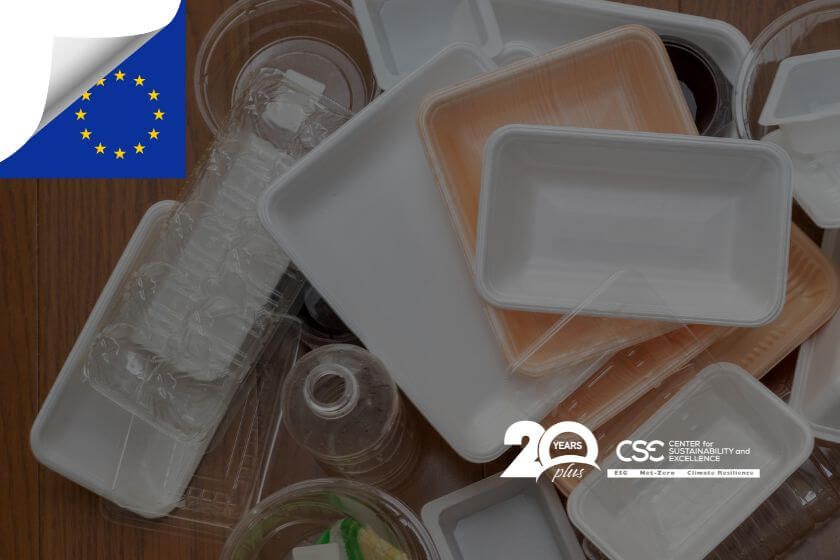


The EU Packaging and Packaging Waste Regulation is not just another compliance requirement. It is a structural shift that forces companies to rethink how they design, source, and manage packaging across the entire value chain.
With the PPWR expected to take effect in the coming years and implementation deadlines approaching from 2026 onwards, businesses face a limited window to move from awareness to execution. Unlike previous directives, the regulation introduces stricter harmonisation, clearer targets, and stronger enforcement mechanisms.
This means one thing. Packaging decisions are no longer operational details. They are strategic choices that affect cost, risk, brand positioning, and market access across Europe.
For many companies, this is a wake up call. Packaging sits at the intersection of sustainability, procurement, logistics, and compliance. Yet, in practice, these functions often operate in silos. PPWR makes that fragmentation risky and inefficient.
Benefits of Building a PPWR Compliance Strategy
Companies that treat PPWR as a strategic priority instead of a last-minute obligation can unlock several advantages.
First, they gain cost control. Early planning allows businesses to redesign packaging gradually instead of rushing expensive changes close to the deadline. It also reduces the risk of penalties and supply disruptions.
Second, they improve ESG performance. PPWR aligns closely with circular economy principles, including waste reduction, recyclability, and resource efficiency. Companies that act early can strengthen their ESG reporting and respond better to investor and stakeholder expectations.
Third, they enhance supply chain resilience. By reviewing materials, suppliers, and packaging formats, businesses reduce dependency on complex or non-compliant inputs. This creates a more stable and future-proof supply chain.
Fourth, they protect brand reputation. Consumers and regulators increasingly expect transparency and credible sustainability claims. A well-designed packaging strategy supports both compliance and trust.
Finally, they create competitive advantage. Companies that simplify packaging portfolios and adopt circular design principles early can move faster than competitors and adapt more easily to future regulations.
Practical Steps to Build an Effective PPWR Compliance Strategy
To respond effectively, companies need a structured and cross-functional approach.
Start with a full packaging data assessment. Many organisations still lack reliable, centralised data on packaging materials, recyclability, and supplier inputs. Without this foundation, compliance efforts will remain fragmented.
Next, integrate compliance into product design. Packaging decisions should not be reviewed only at the end of product development. Instead, they should be embedded from the start, with clear criteria on material selection, recyclability, and reduction targets.
Then, engage suppliers early. PPWR compliance depends heavily on upstream data and material specifications. Companies should work closely with suppliers to ensure transparency, traceability, and alignment with future requirements.
Another key step is to align internal governance. Legal, sustainability, procurement, and product teams must collaborate regularly. This ensures that decisions are consistent, data-driven, and aligned with both regulatory and business goals.
Finally, invest in internal capabilities. Training teams on EU regulations, circular economy principles, and ESG integration is essential. Without the right knowledge, even well-designed strategies can fail during execution.
Common Mistakes Companies Should Avoid
Many businesses underestimate the complexity of PPWR and fall into similar traps.
One common mistake is treating compliance as a checklist exercise. PPWR requires continuous monitoring, data management, and strategic alignment, not just one-time adjustments.
Another mistake is focusing only on high-visibility products. While flagship products matter, smaller SKUs can also create compliance risks if ignored.
Companies also often delay supplier engagement. This creates bottlenecks later when data and material changes are needed quickly.
Avoiding these pitfalls can save both time and resources while improving overall readiness.
Real-World Applications and Business Impact
Across Europe, leading companies are already shifting their approach.
Retailers are redesigning private-label packaging to reduce material use and improve recyclability. FMCG companies are simplifying packaging formats to meet future recyclability thresholds. Manufacturers are working closely with suppliers to secure compliant materials and reduce dependency on complex plastic combinations.
According to Eurostat, packaging waste in the EU reached nearly 80 million tonnes, highlighting the scale of the challenge and the urgency behind regulatory action. This data reinforces why PPWR is not just regulatory pressure but a systemic shift toward circular economy practices.
These examples show that PPWR is not only about compliance. It is about transforming how products are designed, delivered, and perceived in the European market.
FAQs
What is PPWR compliance strategy in simple terms?
It is a structured approach that helps companies align their packaging design, materials, and supply chain processes with EU packaging regulations while supporting sustainability and business goals.
How long does it take to prepare for PPWR compliance?
Preparation can take 12 to 24 months depending on the complexity of packaging portfolios and supply chains. Early action is critical to avoid last-minute disruptions and costs.
Is PPWR compliance worth it for career growth?
Yes. Professionals who understand EU regulations, circular economy principles, and ESG integration are in high demand. These skills are essential for roles in sustainability, procurement, and compliance.
Start Learning Today
PPWR is a clear signal that sustainability is now embedded in EU business regulation. Companies that act early will adapt faster, reduce risks, and create long-term value.
If you want to stay ahead of these changes, now is the right time to build practical expertise.
CSE’s Europe and UK Certified Sustainability (ESG) Practitioner Program covers EU legislation, circular economy strategies, ESG integration, and supply chain sustainability. It is designed for professionals who want to turn regulatory pressure into strategic advantage.
Start learning today and position yourself at the forefront of Europe’s sustainability transition.