
 English
  Spanish
  French


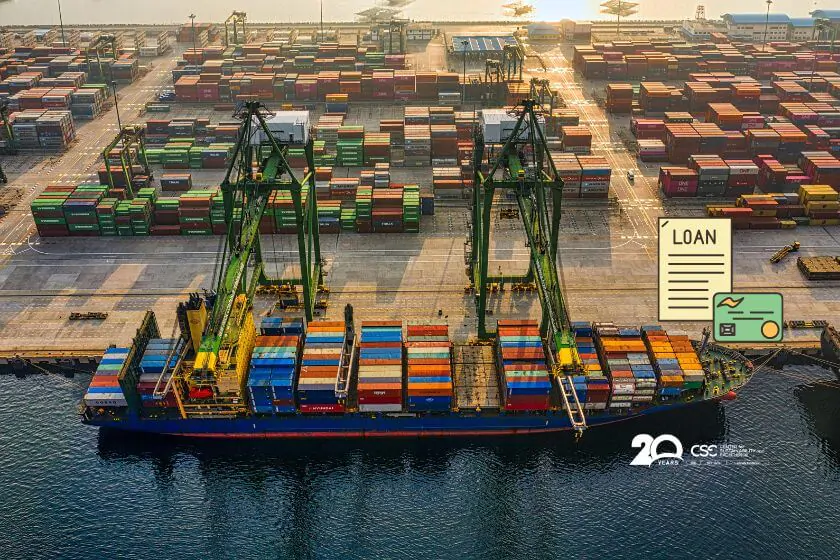


The shipping industry is undergoing a major transformation. Banks are tightening climate-alignment expectations, while regulators are enforcing emissions targets across global fleets. As a result, Environmental, Social, and Governance (ESG) performance is now a core part of shipping finance.
Today, it’s no longer enough to understand vessel values or freight cycles. Finance professionals also need to explain climate risk, regulatory exposure, and emissions data. If they can’t, refinancing can become slower, more expensive, and harder to secure.
This is the new reality. And it’s already reshaping who gets capital, on what terms, and why.
Why shipping finance is changing now
Shipping sits at the center of global trade. It is also under growing scrutiny for its emissions performance. That pressure is changing how capital decisions are made.
Banks, investors, and charterers increasingly want answers to questions like:
- How exposed is this fleet to future carbon costs?
- Can the company prove its emissions data is reliable?
- Does the transition plan match real operational capability?
- Is there a credible pathway to improve carbon intensity?
These questions are no longer “nice to have.” They are moving into credit discussions and lender expectations.
Benefits of ESG fluency in shipping finance
Shipping companies often treat ESG like a reporting exercise. In reality, ESG has become a financing language.
Finance teams are now expected to translate sustainability metrics into business decisions, including:
- risk management
- investment prioritization
- fleet competitiveness
- regulatory readiness
- long-term capital planning
If you can connect those dots, you build trust. If you can’t, lenders lose confidence.
Practical steps to meet lender expectations
ESG in shipping finance is not about perfect sustainability branding. It’s about proof, structure, and transparency.
Here’s what financing discussions increasingly depend on:
1) Bank-ready emissions data
Vague ESG statements are no longer enough. Teams need consistent metrics and trackable performance indicators, such as:
- EEXI and CII trends per vessel class
- fuel consumption patterns
- retrofit impact on emissions intensity
- Scope 1 and 2 tracking
- Scope 3 logic where relevant (especially in value-chain discussions)
2) Clarity on regulatory exposure
Shipping finance teams must understand how regulation affects both cost and competitiveness. That includes:
- EU ETS implications
- FuelEU Maritime requirements
- MRV reporting expectations
- IMO alignment direction and future pathway risk
Even when global frameworks evolve slowly, uncertainty still impacts investment decisions. And uncertainty changes fleet planning and financing confidence.
3) A credible transition story
Banks want to see a transition plan that matches operational reality.
Not a slide deck. Not a generic promise.
A plan with:
- milestones
- clear CAPEX logic
- fuel strategy decisions
- realistic improvement pathways
- data that can stand up to scrutiny
Common mistakes that hurt lender confidence
Here’s the part many shipping professionals underestimate.
You can be doing the right actions operationally, but still lose financing confidence if you cannot communicate ESG performance properly.
Not because the company is “bad.”
But because the data story is unclear.
And uncertainty is expensive.
5 ESG mistakes that create risk signals
Mistake #1: Treating ESG as PR
If ESG appears disconnected from operations, lenders distrust the numbers.
Mistake #2: Using generic sustainability language
Shipping is technical. ESG narratives must reflect shipping realities, not generic corporate content.
Mistake #3: Reporting without a financing narrative
A report can exist, but finance teams still need to explain risk, cash impact, and competitiveness.
Mistake #4: Not knowing what metrics matter
If your team can’t explain CII, intensity pathways, and improvement levers, conversations become difficult fast.
Mistake #5: Weak evidence and no audit readiness
Banks increasingly value data quality. If your numbers can’t be supported, trust drops.
What to focus on if you want to stay relevant
If you work in shipping finance, compliance, fleet management, or strategy, you don’t need to become a full sustainability expert overnight.
But you do need practical ESG competence.
Start here:
- Understand the rules shaping capital
You should be able to explain how regulatory pressure affects fleet economics and competitiveness. - Learn the ESG frameworks used in reporting
Your team should understand what frameworks structure ESG communication, such as:
- GRI for transparency
- SASB Marine Transportation for investor-grade KPIs
- TCFD-style climate risk logic
- Build confidence working with emissions data
You don’t need to calculate everything yourself, but you must understand the inputs and implications behind:
- intensity metrics
- fuel and upgrade impact
- emissions tracking across scopes
- assurance expectations
- Upskill with a shipping-specific program
Generic ESG courses help with fundamentals, but shipping reporting and finance conversations are unique.
The best programs use sector-specific case examples, shipping metrics, and real-life regulatory pressure points.
Real-world solution: ESG training built for shipping professionals
The Certified Sustainability (ESG) Practitioner Program in Shipping – Advanced Edition 2026, offered by the Centre for Sustainability and Excellence (CSE), is designed for professionals who need to apply ESG skills in real shipping decisions.
This is not theory-first learning.
It’s focused on how ESG connects to:
- financing discussions
- compliance expectations
- emissions performance strategy
- stakeholder trust and reporting credibility
Training details
Where: Hellenic Institute of Marine Technology (H.I.M.T.), Piraeus
When: April 27–28, 2026
Who should attend: Shipping finance professionals, compliance officers, CFO teams, sustainability leads, technical and commercial teams
FAQs
What is ESG in shipping finance, in simple terms?
It’s how banks and investors evaluate emissions performance, regulatory readiness, and governance risks alongside vessel assets and financial performance.
How long does it take to get certified?
The Shipping Advanced Edition is a 2-day intensive onsite training designed to deliver practical tools and sector-specific knowledge.
Is ESG training worth it for career growth in shipping?
Yes. ESG fluency is becoming a must-have skill in shipping finance, compliance, and sustainability roles. Certified professionals often stand out when transparency and risk readiness become mandatory expectations.
Ready to gain practical ESG skills that translate into real value for your company — and your career?
Join the Certified Sustainability (ESG) Practitioner Program in Shipping – Advanced Edition 2026, on April 27–28, 2026
🔹 Learn directly from ESG and shipping finance experts
🔹 Build compliance-aligned reporting strategies
🔹 Get certified and future-proof your role in the industry
📩 Secure your seat today or reach us at: sustainability@cse-net.org
🔗 Register Now