
 English
  Spanish
  French


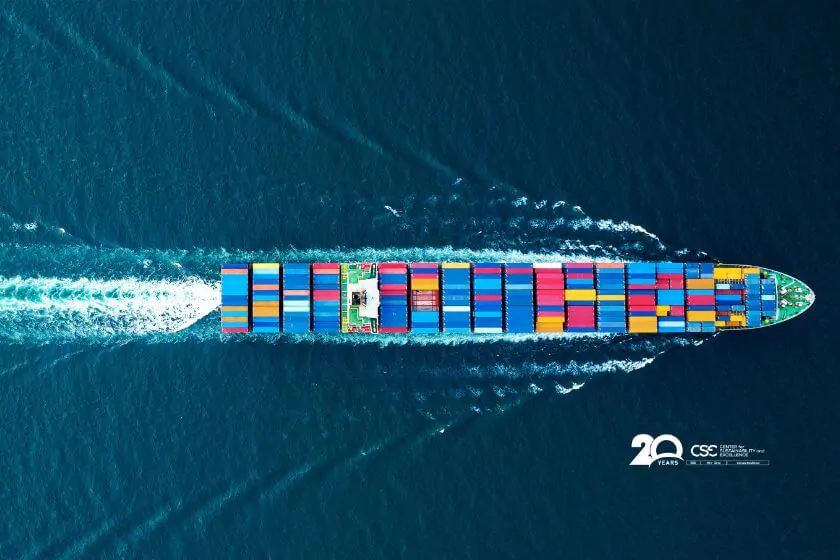


The shipping industry is undergoing a major transformation. As banks adopt stricter climate alignment rules and international regulators enforce emissions targets, Environmental, Social, and Governance (ESG) performance has become a core part of shipping finance.
It’s no longer enough to understand vessel values or market cycles. Today’s finance professionals must also evaluate climate risks, regulatory exposure, and sustainability data to secure capital or structure refinancing terms.
Financial institutions are now held accountable to frameworks like the Poseidon Principles, which means shipping companies — and their teams — must speak the language of ESG reporting.
That’s why professionals across finance, compliance, and fleet management are rapidly upskilling to meet this demand.
Benefits of Gaining ESG Skills in Shipping Finance
Developing ESG expertise isn’t just good for compliance — it’s a strategic career move. Here’s why:
- Boost Your Career Prospects
ESG knowledge is now critical in CFO teams, banks, chartering departments, and compliance roles. - Build Trust With Lenders and Investors
Understand what banks look for in ESG reporting to support smoother financing and better loan terms. - Support Competitive Fleet Strategies
Align capital planning with emissions strategies and compliance targets — not just operational needs. - Improve Decision-Making With ESG Data
Use consistent, validated metrics (EEXI, CII, Scope 3) to support asset valuation and CAPEX planning. - Prepare for Regulatory Pressure
Navigate IMO and EU frameworks (ETS, FuelEU Maritime, MRV) with confidence and clarity.
Practical Steps to Build ESG Competence in Shipping Finance
If you want to stay relevant — or advance — in today’s ESG-focused landscape, here’s what to focus on:
- Understand the Regulatory Landscape
Learn how the IMO, EU ETS, FuelEU Maritime, and Net Zero Frameworks shape vessel competitiveness and bank expectations.
- Get Fluent in ESG Frameworks
Familiarize yourself with:
- GRI (for sustainability transparency)
- SASB Marine Transportation (for investor-grade KPIs)
- TCFD (for climate risk disclosure)
- Master Emissions & Reporting Data
Know how to work with:
- Emissions intensity by vessel class
- Fuel consumption and upgrade impact
- Scope 1, 2, and 3 emission tracking
- Audit-ready data and assurance pathways
- Join a Specialized ESG Program for Shipping
Enroll in an industry-focused certification designed to help you translate ESG metrics into financing narratives and improve your value in credit discussions.
Mistake to Avoid:
Trying to learn ESG in shipping through generic sustainability courses. Shipping ESG reporting is unique, requiring sector-specific examples, frameworks, and regulatory understanding.
Real-World Application: ESG Meets Shipping Finance
The Certified Sustainability (ESG) Practitioner in Shipping – Advanced Edition 2026, offered by the Centre for Sustainability and Excellence (CSE), directly addresses the challenges faced by today’s shipping professionals.
You’ll learn how to:
- Align reporting with Poseidon Principles & IMO rules
- Create bank-ready ESG strategies
- Apply Scope 3 and supply chain logic in vessel operations
- Avoid green/blue washing with data-backed claims
- Structure emissions metrics into a financing narrative
Where: Hellenic Institute of Marine Technology (H.I.M.T.), Piraeus
When: April 27–28, 2026
Who Should Attend: Shipping finance professionals, compliance officers, CFOs, sustainability leads, technical and commercial teams
FAQs
What is ESG in shipping finance, in simple terms?
ESG in shipping finance refers to how environmental, social, and governance factors are integrated into credit risk assessment, investment decisions, and loan structuring for shipping companies. Banks now consider emissions data, compliance readiness, and sustainability strategy alongside vessel assets and cash flow.
How long does it take to get certified?
The CSE Shipping ESG program is a 2-day intensive training. You’ll leave with practical tools, templates, and a globally recognized certification tailored to shipping ESG challenges.
Is ESG training worth it for career growth in shipping?
Absolutely. ESG fluency is becoming a must-have skill in shipping finance, compliance, and sustainability roles. Certified professionals stand out in a market where climate alignment and risk transparency are increasingly mandatory.
Start Learning Today – Register for Our Training Program!
Ready to gain practical ESG skills that translate into real value for your company — and your career?
Join the Certified Sustainability (ESG) Practitioner Program in Shipping – Advanced Edition 2026, on April 27–28, 2026
🔹 Learn directly from ESG and shipping finance experts
🔹 Build compliance-aligned reporting strategies
🔹 Get certified and future-proof your role in the industry
📩 Secure your seat today or reach us at: sustainability@cse-net.org
🔗 Register Now